
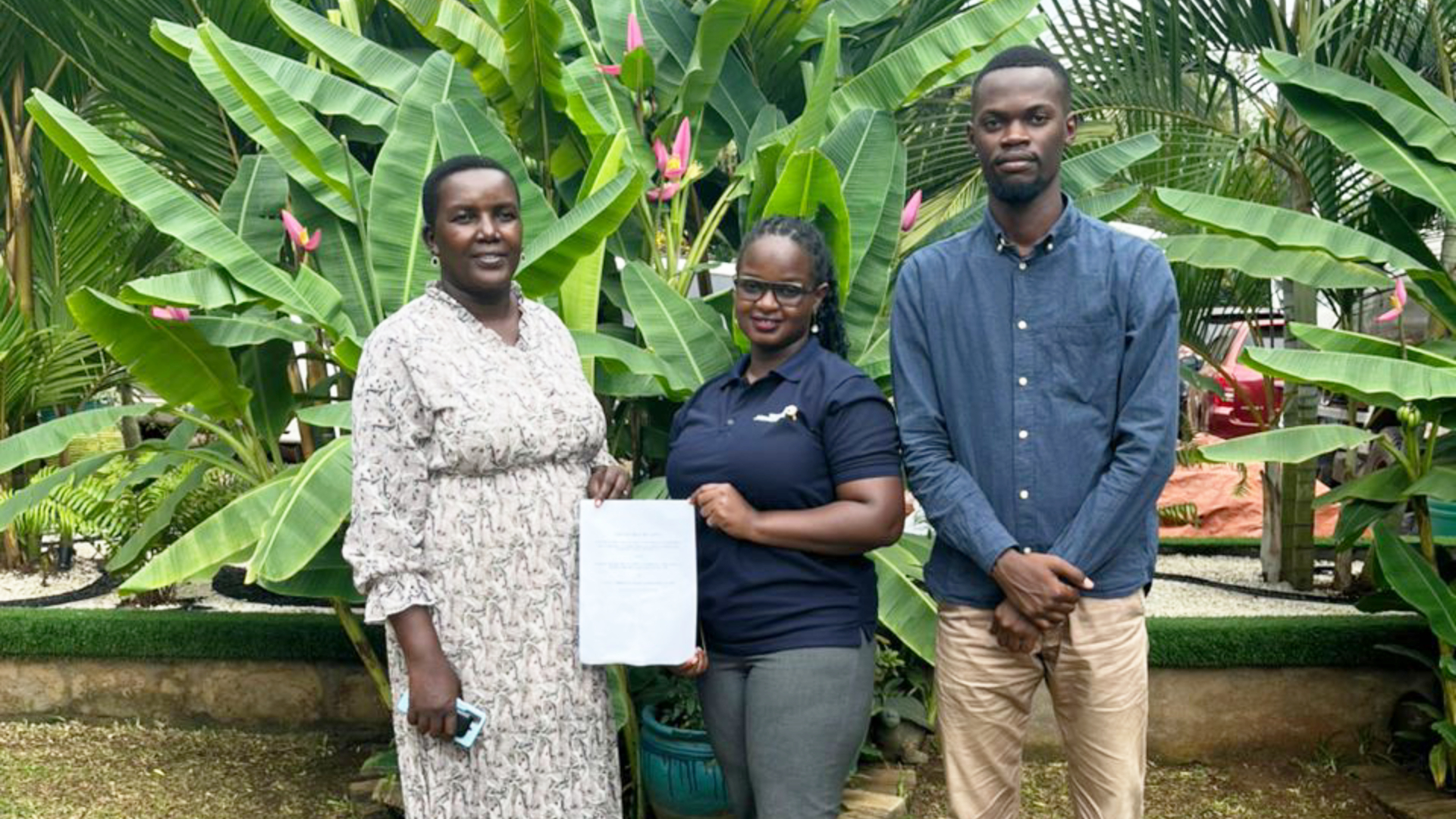
On 19 May 2026, the Afrique Center for Statistics, Artificial Intelligence & Innovation Research (ACSAIR) and the United Tropical Planters Association (UTPA) officially launched a new conservation initiative aimed at protecting Uganda’s endangered and threatened plant species through research, propagation, community participation and living conservation gardens.
The launch, held at the UTPA offices, marked the public unveiling of a cooperation agreement between the two organisations and the formal beginning of a programme that could become an important model for plant conservation in Uganda and East Africa.
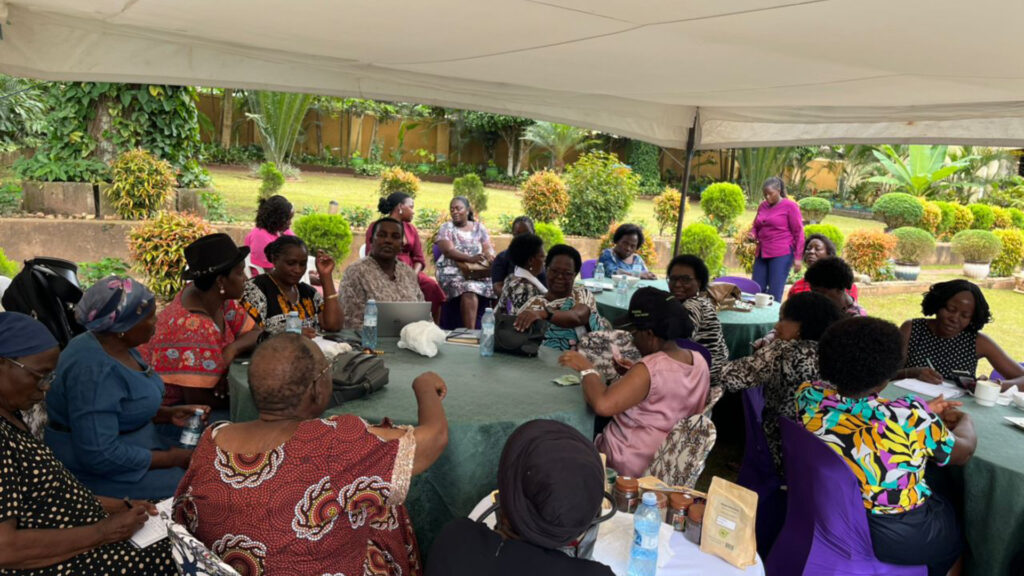
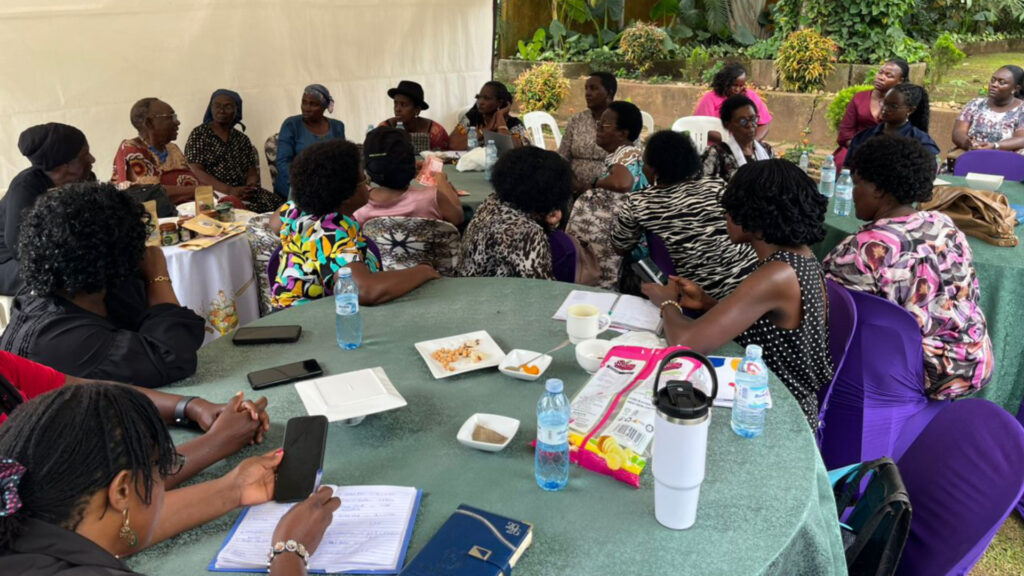
At the heart of the initiative is a simple but urgent concern: many of Uganda’s valuable plant species are disappearing quietly, often without the level of public attention given to wildlife loss yet these plants support far more than the natural environment. They are linked to food systems, traditional medicine, cultural heritage, water protection, climate resilience, rural livelihoods and future scientific discovery and when such species decline, communities lose knowledge, resilience, identity, and future possibilities.
The programme has identified 88 priority threatened plant species for conservation attention, including species classified as Critically Endangered, Endangered and Vulnerable. Its approach is not limited to one garden or one site. Instead, ACSAIR and UTPA plan to develop a wider conservation system that includes living collections, seed orchards, mother-plant blocks, nurseries, research plots, aquatic conservation areas and community-led propagation units.
This model is significant because plant conservation cannot be treated as a single technical exercise. A medicinal climber, a threatened timber tree, a wetland plant and a climate-sensitive montane species may each require different conditions, methods and protection strategies. By combining research, practical propagation and community participation, the programme is designed to protect species not only as botanical specimens, but also as living resources connected to people, landscapes and local economies.
Uganda’s biodiversity gives the programme national importance because the country is recognised as one of the world’s highly biodiverse nations, with the Convention on Biological Diversity recording 18,783 species of fauna and flora in Uganda and ranking the country among the top ten most biodiverse countries globally. This richness is a national asset however is under growing pressure from habitat loss, forest degradation, wetland conversion, unsustainable harvesting and climate-related stress.
The ACSAIR–UTPA initiative responds to that pressure by focusing on conservation that is visible, practical and locally anchored. The programme seeks to bring threatened plants into protected living spaces where they can be studied, propagated, monitored and gradually reintroduced into restoration and community stewardship efforts where appropriate.
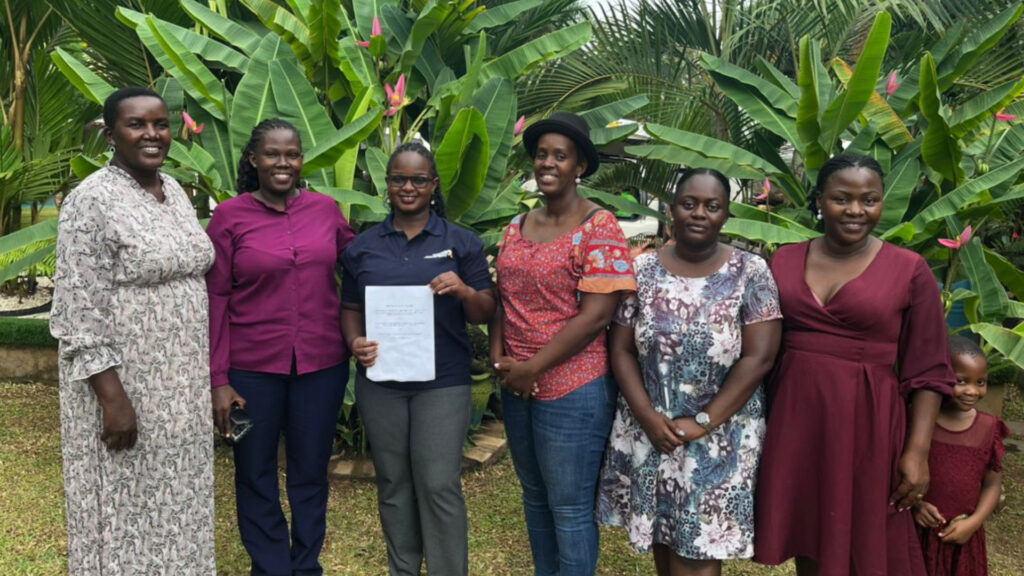
For communities, the potential benefits are both immediate and long-term. Community nurseries will become spaces for training farmers, women, youth, schools and local groups in responsible propagation and plant care. Over time, this will help reduce pressure on wild populations by making legally propagated planting materials more available. It will also create new forms of conservation-linked livelihood opportunities, especially around nursery management, restoration planting, education, seed collection, documentation and responsible cultivation.
For Uganda, the programme will strengthen the country’s restoration capacity. Many restoration efforts fail or remain limited because the right planting materials are not available, poorly documented or not suited to local ecological conditions. By developing seed orchards, mother-plant blocks and research plots, ACSAIR and UTPA are laying the foundation for a more reliable supply of conservation-priority planting materials that can support restoration, enrichment planting and long-term ecological recovery.
For East Africa, the programme will grow into a regional learning platform. Its lessons on propagation, monitoring, community engagement and species recovery will support similar efforts across the region, especially in countries facing comparable pressures on endangered and threatened plants, forests, wetlands and climate-sensitive ecosystems.
The launch also reflects a wider global recognition that living plant collections, conservation gardens and seed systems are critical tools in preventing species loss. Botanic Gardens Conservation International notes that living collections and seed banks can serve as a safety net for rare and threatened plants and provide material that may later support restoration.
The launch of the ACSAIR–UTPA Conservation Gardens Programme is therefore a call to recognise Uganda’s threatened plant heritage as a living inheritance that must be protected with urgency. This partnership will help transform plant conservation from a specialist concern into a national and regional movement.