
ACSAIR | Afrique Center for Statistics, Artificial Intelligence & Innovation Research
Restoring nature. Strengthening livelihoods. Building resilient communities.
The Afrique Center for Statistics, Artificial Intelligence & Innovation Research (ACSAIR) is a non-profit development organization working with communities to protect natural resources, adapt to climate change, improve agriculture and strengthen local livelihoods.
We believe that people and nature must thrive together. When forests, wetlands, soils, water sources and biodiversity are protected, communities become healthier, farmers become stronger and future generations inherit a more sustainable world.
WHO WE ARE
Development that begins with listening.
ACSAIR is a community-centered organization focused on practical solutions for environmental protection, climate resilience, sustainable agriculture and community development.
We work with farmers, youth, women, schools, community groups, local leaders, civil society actors, private sector partners, government institutions and development partners. Our role is to support communities with knowledge, skills, tools and partnerships that help them solve real development challenges in their own local areas.
ACSAIR does not treat communities as passive beneficiaries. We believe communities are the owners of development. They understand their land, their challenges, their resources and their needs. Our work is to help them turn that knowledge into practical action that protects nature and improves daily life.
The Africa Food
Sustainability
Challenge 2026
A skills-based learning challenge built around our self-paced course “Mastering Food Waste Reduction in Africa” – for African youths, farmers, food handlers, sustainability professionals, students and anyone committed to improving food systems. Learn, demonstrate mastery and earn recognition.
OUR MODEL
Working directly with communities
WHY WE EXIST
The inter-connected cycle.
Many communities depend directly on land, forests, wetlands, water sources and agriculture for food, income, energy and survival. At the same time, these natural resources are under increasing pressure from unsustainable land use, forest loss, wetland degradation, soil erosion, pollution, population growth, settlement expansion, poverty and climate change.
These challenges are connected. When the environment is degraded, agriculture becomes weaker. When farming becomes less reliable, households become more vulnerable. When youth and women lack livelihood opportunities, conservation becomes harder to sustain. When communities are not involved in planning, solutions may fail after a project ends.
ACSAIR exists to break this cycle. We connect environmental restoration with community wellbeing. We support solutions that help people protect nature while also improving livelihoods, food security, climate resilience, skills, and local ownership of development.
WHAT WE DO
Three themes, one resilient system.
Our work is organized under three connected thematic areas. Each area supports the others, because sustainable development requires integrated solutions.
01
Environment and Natural Resource Management
We support communities to protect and restore forests, wetlands, water sources, soils, biodiversity, and local ecosystems. This includes tree growing, landscape restoration, soil conservation, wetland protection, waste awareness, and environmental education.
02
Climate Resilience and Agriculture
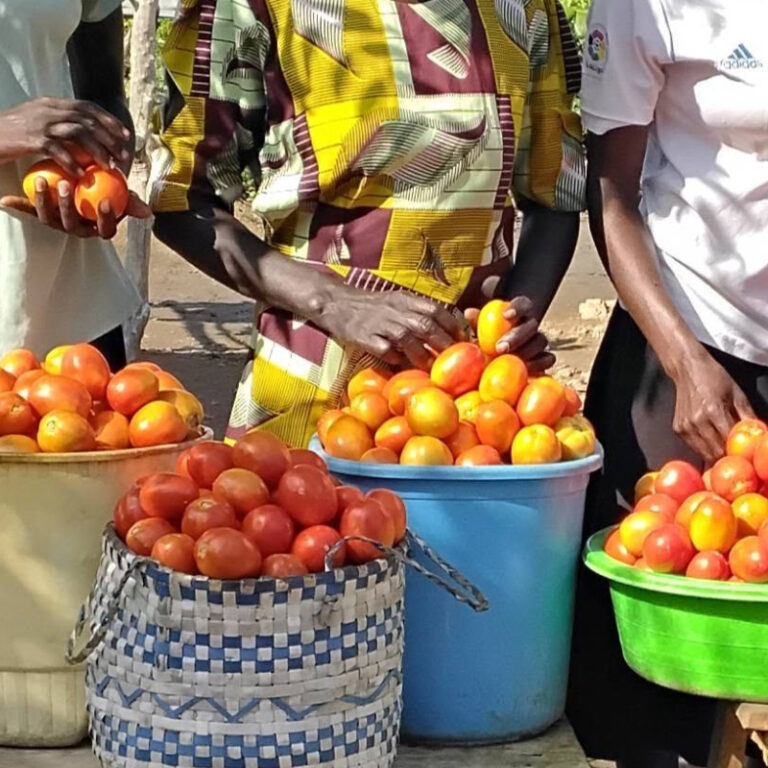
We help farmers and rural households adapt to climate change through climate-smart agriculture, agroforestry, soil and water conservation, demonstration gardens, farmer training, crop diversification, and practical resilience planning.
03
Community Development
We support inclusive community progress through youth and women empowerment, livelihood skills, environmental entrepreneurship, school eco-clubs, savings groups, community education, and stronger local institutions.
EMPOWERING COMMUNITIES
Sustainable Food Production and Climate Resilience.
We are committed to practical, inclusive and evidence-based development. We work for sustainable communities that can protect their natural resources, adapt to climate change, improve livelihoods and participate meaningfully in decisions that affect their future.
EMERGING PLATFORM
ACSAIR Innovation Fund for Development.
Africa already has many promising ideas, enterprises and grassroots initiatives that can improve lives if they receive the right support. The Innovation Fund identifies, strengthens and connects high-potential sustainable initiatives responding to food-system resilience, climate adaptation, livelihood opportunity and community development challenges.
HOW WE WORK
ACSAIR uses a simple and practical community-led approach.
Listen
We begin by understanding community needs, local knowledge, environmental risks, and existing opportunities.
Co-design
We work with communities, local leaders, farmers, schools, and partners to develop practical activities that fit the local context.
Demonstrate
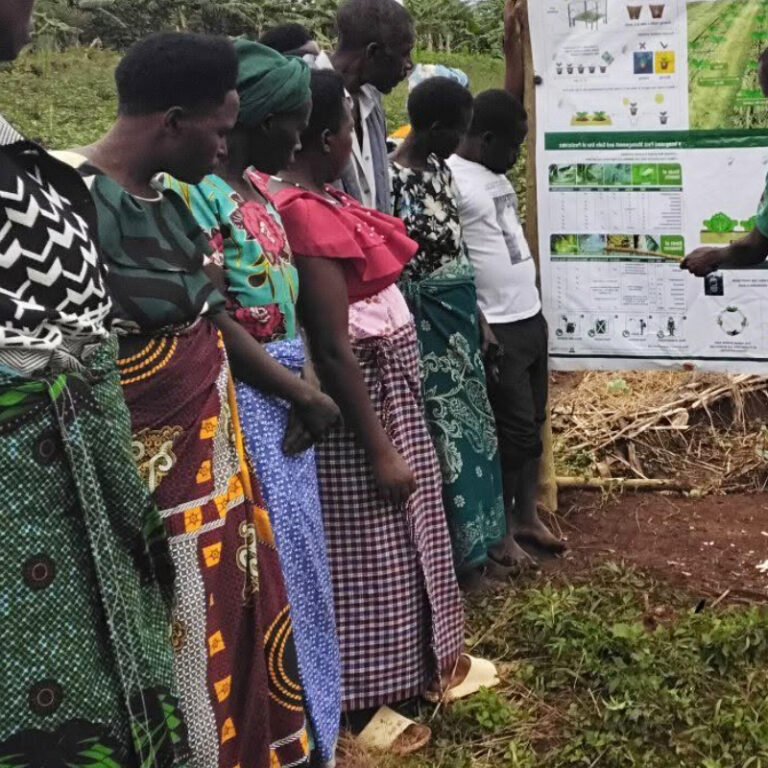
We promote visible models such as tree nurseries, restored water sources, school eco-clubs, demonstration farms, and community learning sites.
Build
We train farmer champions, youth leaders, women groups, school clubs, community volunteers, and local committees
Document
We collect data, stories, photos, feedback and lessons to improve our work and share evidence with partners.
Scale
We work with government, civil society, development partners, private sector actors, and community structures to expand successful models.
WHERE WE WORK
Rooted in Uganda. Built for the continent.
We are building a credible national foundation by working with communities, local actors and partners across Uganda where our support can add practical value. Our long-term ambition is to grow into a Pan-African learning and partnership platform that can adapt proven models across different African contexts.
THE CHANGE WE WANT TO SEE
A repeatable, documented model that is adapted across Uganda and beyond.
ACSAIR aims to build repeatable, practical and documented solution models with strong evidence, partners, local leadership and stronger institutional systems that can be adapted through partnerships across the country and eventually the wider African continent.
PARTNER WITH US
Build practical resilience with us.
We welcome partners who believe that development should be community-centered, evidence-informed, locally led and accountable. Whether you are a donor, local organization, farmer group, university, public institution, innovator or technical expert, we invite you to work with us to turn real community challenges into measurable action.
Donors
Local organizations
Universities & innovators
Public institutions
COMPLIANCE
ISO-aligned by design.
WE ARE ISO COMPLIANT
ACSAIR is a Uganda-registered non-profit company limited by Guarantee (Company No. 80034198006505), incorporated under the Companies Act 2012. We have not pursued third-party ISO certification however our internal governance, quality assurance and operational systems are deliberately aligned with the core requirements of internationally recognised ISO frameworks.
These internal policies are codified, periodically reviewed and consistently applied across the organisation, our projects, our partnerships and our activities, ensuring both compliance and continuous improvement.