
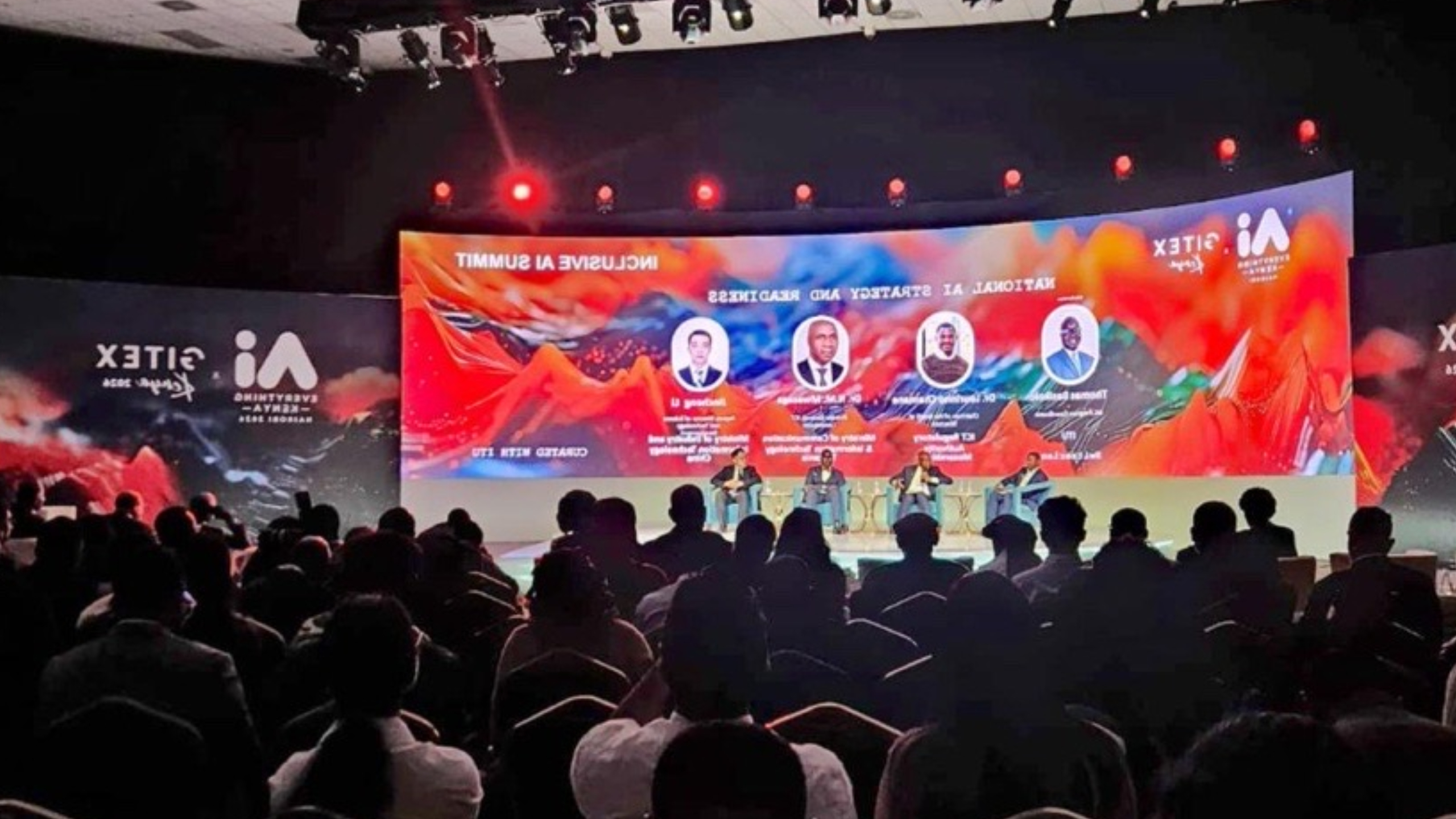
From 19 to 21 May 2026, the Afrique Center for Statistics, Artificial Intelligence & Innovation Research (ACSAIR) attended AI Everything Kenya 2026 in Nairobi, Kenya, a major gathering that brought together some of the leading voices shaping the future of artificial intelligence, cybersecurity, digital infrastructure, investment, agriculture, public service innovation and inclusive technology across Africa.
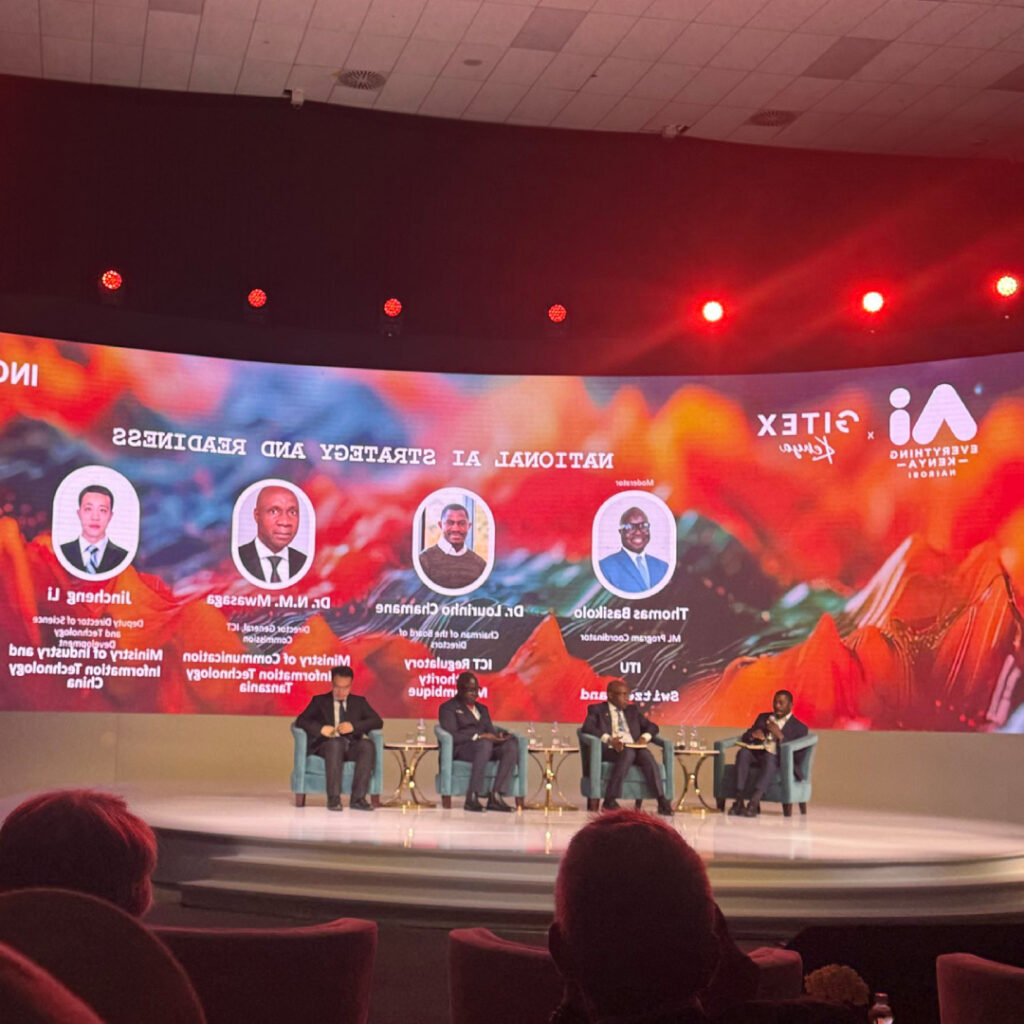
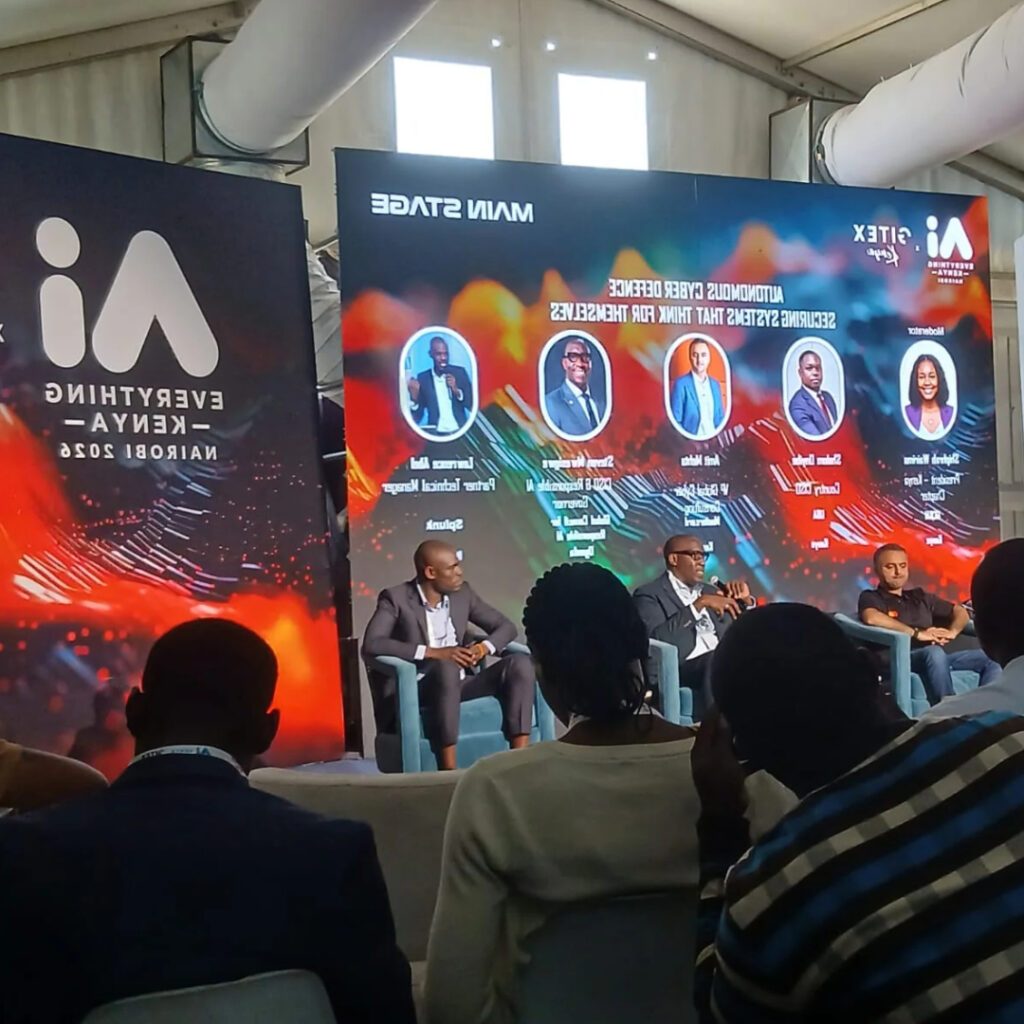
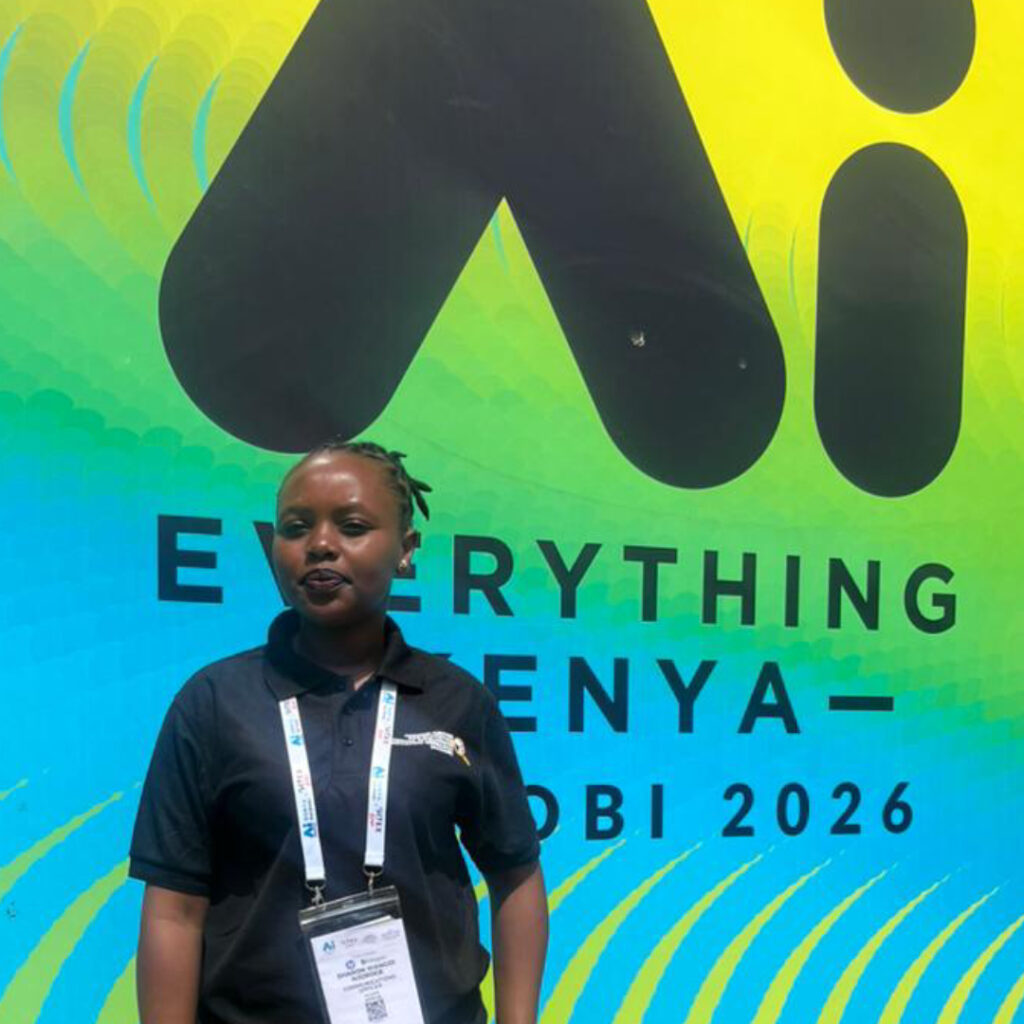
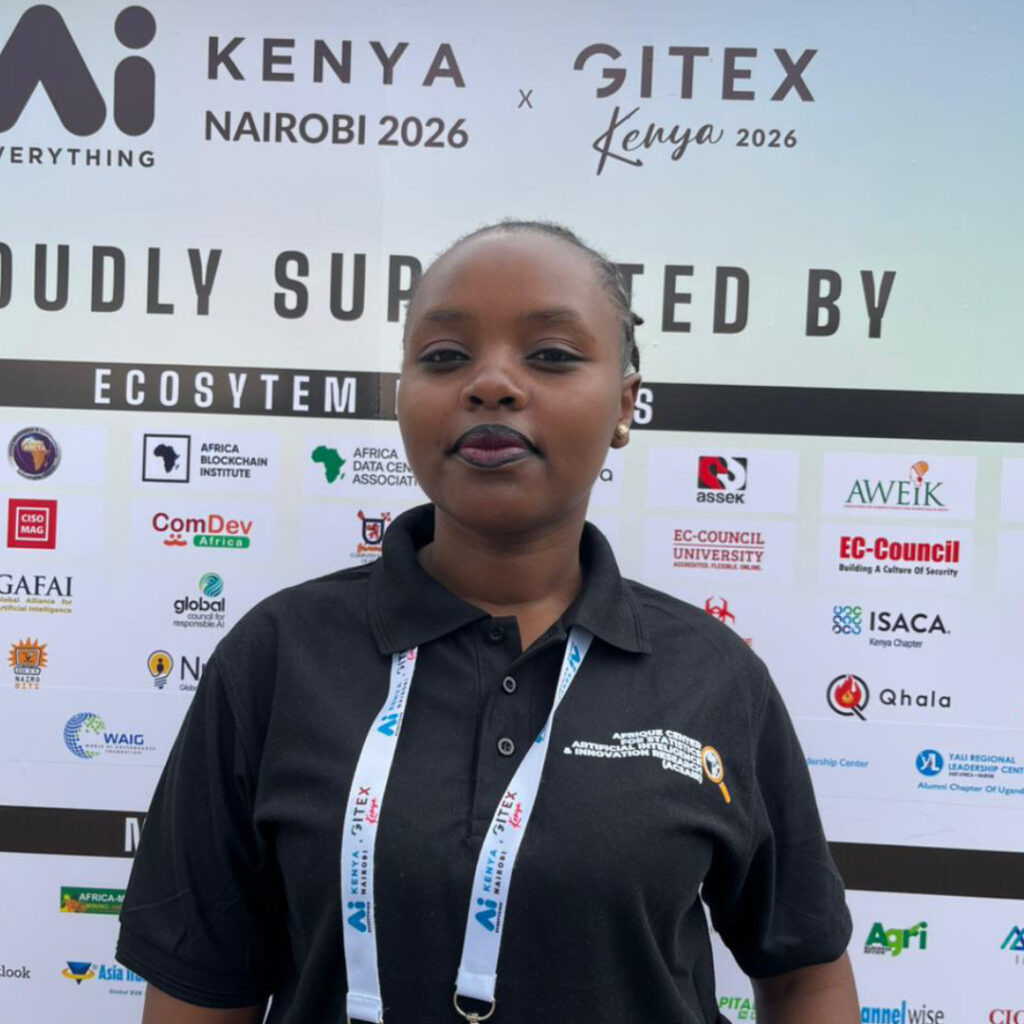
For ACSAIR, the event was more than a technology showcase. It was a strategic learning and engagement platform that reflected the Africa’s growing commitment to research, data, artificial intelligence and innovation as practical tools for Africa’s development. The conversations in Nairobi made one thing clear that Africa’s digital future is no longer a distant idea. It is already being discussed, designed, financed and built and African institutions must be active participants in shaping it.
Throughout the event, ACSAIR engaged with powerful discussions on how artificial intelligence can support economic transformation, strengthen public services, improve agriculture, expand financial inclusion, enhance cybersecurity and create new opportunities for young innovators and entrepreneurs. The event also highlighted the urgent need for African countries and institutions to move beyond simply consuming imported technologies and begin building systems, datasets, models and solutions that reflect African realities.
One of the strongest messages from the event was the importance of digital sovereignty. As AI becomes central to governance, business, health, agriculture and public decision-making, questions of data ownership, compute access, infrastructure control and ethical governance are becoming more important than ever. For ACSAIR, these discussions strongly reinforced the need for African-led institutions that can help build credible data systems, support responsible innovation and contribute to evidence-based policy and development.
The event also provided important insights into the future of agriculture and climate resilience. Discussions around intelligent food systems, climate prediction, farmer data, digital extension and AI-supported decision-making showed how technology can help Africa respond to some of its most urgent development challenges. This was especially relevant for ACSAIR because the future of African agriculture will depend not only on innovation, but also on practical, accessible and community-centred solutions that work for farmers, institutions and local economies.
Another important discussion was that technology must be designed for the conditions in which African communities actually live and work. Many conversations pointed to the need for offline-first systems, local-language AI, affordable digital tools, mobile money integration and solutions that can reach people with limited connectivity. This is a critical reminder that innovation must not only be advanced; it must also be usable, inclusive and grounded in real social and economic contexts.
Cybersecurity, trust and responsible governance also stood out as major themes. As AI systems become more powerful and more deeply connected to public and private infrastructure, institutions must strengthen their capacity to protect data, secure systems and build public confidence. This reinforced the understanding that Africa’s digital transformation must be guided by responsibility, transparency and accountability. Without trust, innovation cannot achieve lasting impact.
The event also opened important reflections on investment and the commercialisation of African innovation. Across different conversations, it became clear that Africa has strong ideas, growing talent and major development needs, but many promising solutions still struggle to move from pilots to sustainable products.
ACSAIR’s participation in AI Everything Kenya 2026 strengthened the organisation’s conviction that the future of African development will be shaped by institutions that can connect data, research, technology and community needs. Artificial intelligence must not be treated as a trend or a distant technical subject. It is becoming a powerful force in agriculture, finance, education, governance, climate resilience, health and public service delivery and Africa must be prepared to engage with it.
AI Everything Kenya 2026 was a reminder that Africa has both the need and the opportunity to shape its own technological future. The continent must not only adapt to global innovation; it must also define the kind of innovation that serves its people, protects its resources, strengthens its institutions and unlocks its economic potential.