
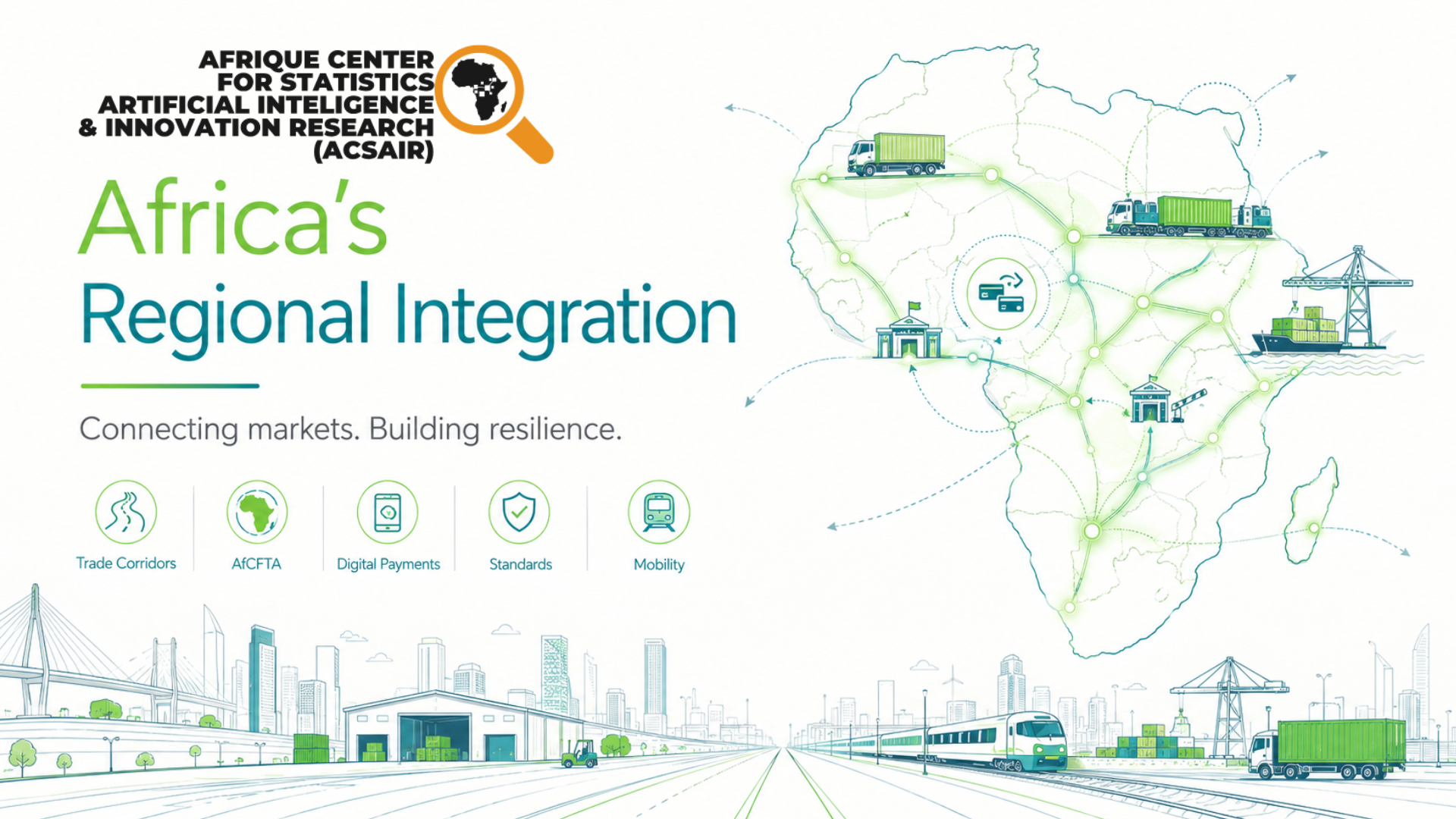
Global fragmentation is changing the meaning of regional integration for example, in calmer periods, integration is often presented as a trade opportunity and in more uncertain periods, it becomes a shock absorber. When global supply chains are disrupted, currencies come under pressure and external financing becomes less predictable and African countries with stronger regional value chains, trade corridors and local production networks are better positioned to adapt.
The AfCFTA matters because it can reduce Africa’s excessive dependence on distant markets for essential goods, intermediate inputs and export opportunities but its promise will depend on practical systems such as efficient customs, functional transport corridors, harmonized standards, digital trade facilitation, regional industrial policy and payment systems that make intra-African commerce easier and cheaper. There must be urgent move of integration from treaty language into operational infrastructure.
For ordinary businesses, regional integration should mean lower border delays, simpler documentation, wider markets, and more predictable rules whereas for governments, it should mean stronger supply resilience and more diversified growth.
In a fragmented world, Africa’s internal market is one of its strongest strategic assets, but it will only serve that role if policy ambition is matched by implementation urgency and discipline.