
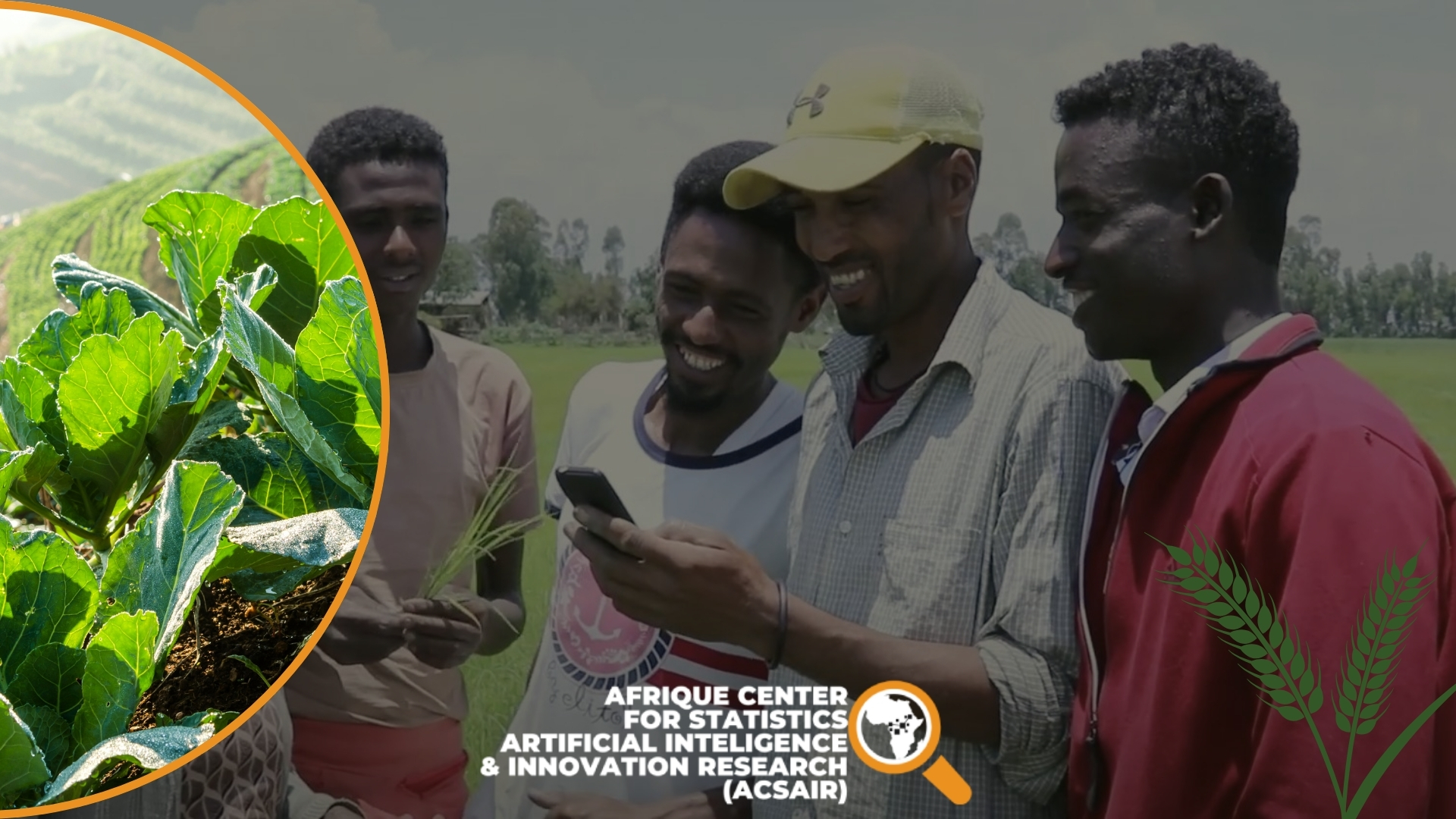
When agriculture and food security are discussed in Africa, the focus usually falls on visible essentials: seeds, fertilizer, roads, and finance. These are all critical. But behind the scenes, another input is becoming just as important data.
Better data is what helps these investments deliver real results. It improves timing, reduces waste, strengthens decision-making, and makes agricultural systems more responsive from farm to market.
What Better Data Can Unlock in Agriculture and Food Production
Across Africa’s agriculture and food systems, data has the potential to unlock several practical advantages:
- Earlier action: Weather and climate insights can help farmers decide the right time to plant, spray, and harvest.
- Smarter productivity: Soil and crop recommendations can improve yields while reducing unnecessary use of inputs.
- Faster response: Better tracking can help detect pests and diseases before they spread widely.
- Stronger markets: Price transparency and demand signals can help farmers make better selling decisions.
- Safer food systems: Traceability can strengthen food quality, build trust, and support trade.
- Better policy and targeting: Data can help direct support to the right places at the right time.
Why This Matters Now
The reality is difficult: hunger is rising in parts of Africa. In that context, building better data systems is no longer optional, it is urgent.
But these systems must be practical. To make a real difference, they need to be:
- Simple to use
- Available in local languages
- Designed for low-connectivity environments
If farmers cannot access or use the data, its value remains limited no matter how advanced the system behind it may be.
A Practical Question for the Next Five Years
If data were treated like fertilizer made accessible, affordable and applied at the right moment, what could Africa’s food systems look like in the next five years?
That is the opportunity in front of us: not just more data, but better use of data where it matters most.