
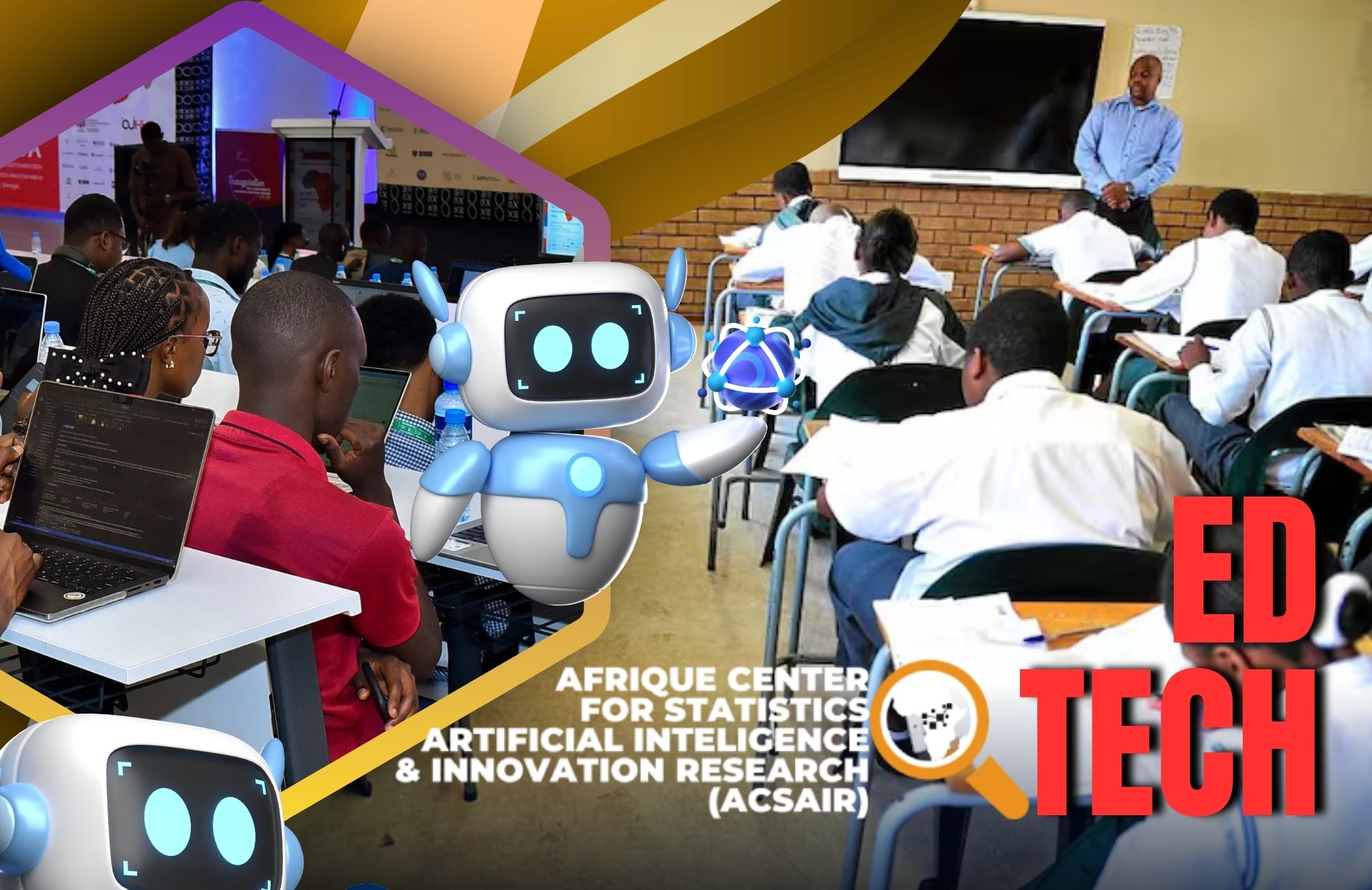
AI in Africa’s secondary schools is unlikely to succeed by being the smartest chatbot in the classroom.
Its real value will come from something less flashy but far more practical: giving teachers time back and helping students receive better feedback consistently, week after week.
In many African classrooms, the main challenge is not a lack of curiosity. It is the pressure created by heavy workloads, large class sizes and high-stakes exams. A teacher handling 60 to 90 learners cannot realistically mark work, provide remediation and personalize learning at the pace students need.
A Better Approach: AI as a Feedback Engine
This is why AI should be treated first as a feedback engine, not a content engine.
That shift in focus matters. Instead of asking AI to replace teaching, the more useful question is how it can strengthen what teachers are already trying to do under real constraints.
What This Could Look Like in Practice
Used well, AI could help schools and teachers by:
- Turning the national syllabus into hundreds of short practice questions, with step-by-step solutions
- Generating rubrics and sample answers for essays and lab reports
- Translating explanations into local languages without changing the curriculum
- Helping teachers identify learning patterns, such as common misconceptions (for example, when students repeatedly confuse one concept with another)
- Creating multiple difficulty levels of the same exercise for mixed-ability classrooms
These are not abstract features. They are practical tools that can reduce teacher workload while improving the quality and consistency of feedback students receive.
Why Offline-First Design Matters
Any serious school-focused AI solution must also be built with African realities in mind.
If a tool depends on perfect internet access or brand-new devices, it will miss the schools that need support the most. That is why offline-first design is not optional, it is essential for reach and equity.
The Right Question to Ask
The big question is not whether AI can teach.
The better question is whether AI can help a teacher teach better within the real conditions many African schools face.
If success is measured by teacher hours saved, quality of feedback, and exam readiness, the education sector will be more likely to build AI tools that actually work in practice.