
Africa’s food systems do not face a food production problem as much as they face a food conversion problem: how efficiently harvests are turned into affordable, safe meals in cities, day after day and season after season.
This distinction matters. It shifts the focus from production alone to the systems that move, preserve, finance, and coordinate food after it leaves the farm.
The Backbone Already Exists and It Works
Africa’s food supply chains are already working and they are working at scale.
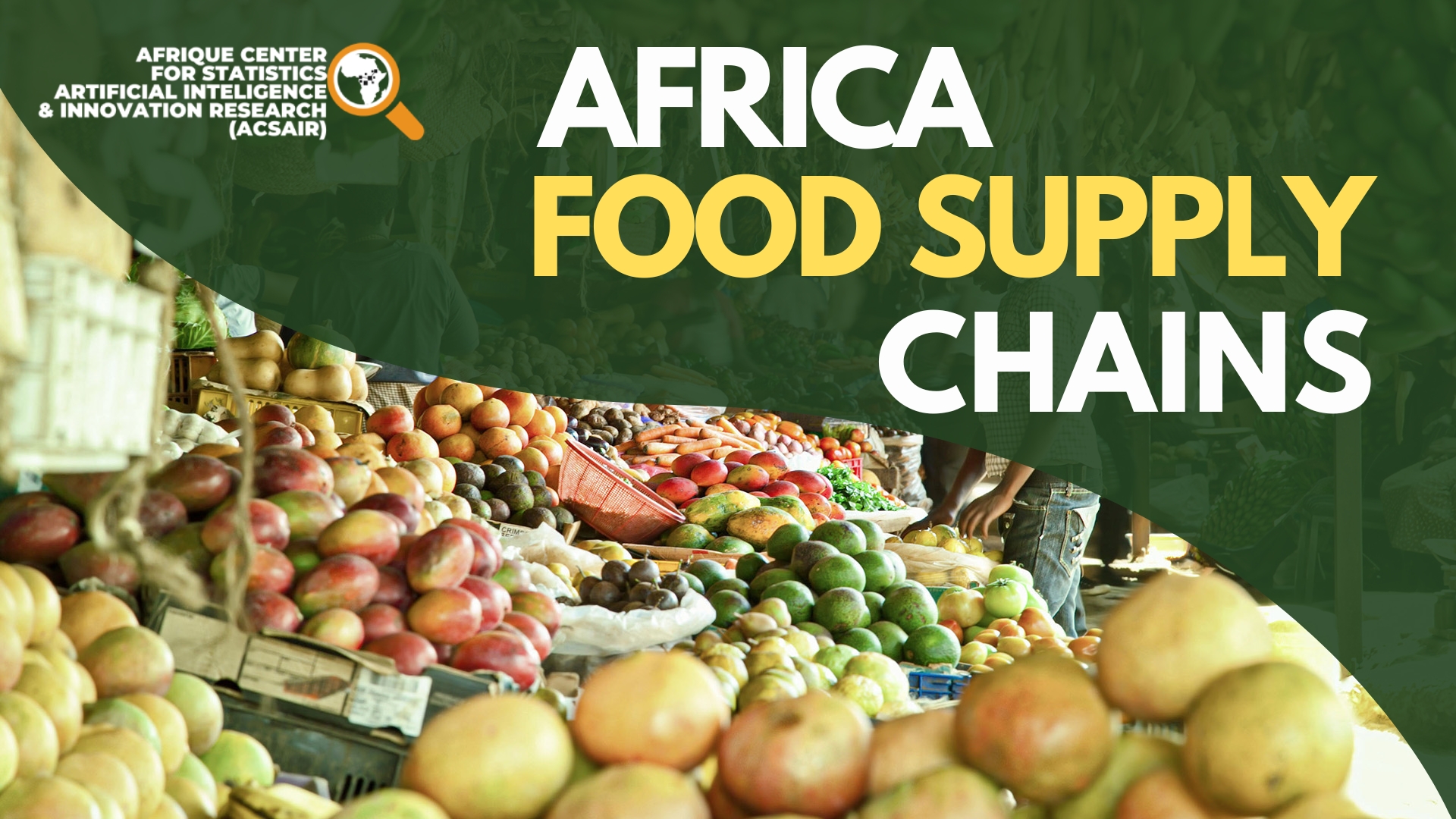
They are built on people, trust, and improvisation. Roughly 70% of urban households buy food through informal markets kiosks, open-air traders and traditional market systems. This is not a side channel. It is the backbone of urban food access.
Yet many modernization efforts are still designed as if the goal is to replace this backbone rather than strengthen it.
The Real Bottleneck: Visibility and Coordination
A more useful lens is this: Africa’s biggest supply-chain bottleneck is not always infrastructure. It is often visibility and coordination.
In West Africa, newer evidence estimates intra-regional food trade at about USD 10 billion per year, around six times higher than what official statistics capture. When food flows remain largely invisible, policy, investment and donor programs are often built on the wrong map.
The result is predictable: systems are optimized around what can be measured, not around what is actually feeding people.
Three Underestimated Realities in African Food Supply Chains
From this perspective, three issues deserve far more attention than most strategies currently give them.
1. Time Is a Tariff and Africa Pays for It in Spoilage
A single day of customs delay can function like a hidden tax on trade.
For perishable food, that cost shows up in quality loss, distress selling and wasted nutrition. Delays are not just administrative problems, they directly affect affordability, food safety and incomes.
2. Trust Is Logistics
In many trade corridors, food moves on credit and reputation as much as it moves on trucks.
When food safety systems are weak, the cost of trust rises sharply. Every actor adds a risk margin and in the end, the poorest consumers often pay the highest price.
3. Working Capital Is Cold Chain
Discussions often focus on warehouses and refrigeration infrastructure, which are important.
But many midstream actors, aggregators, transporters and market traders are MSMEs that primarily need financing structured around seasonality. Without liquidity, even strong infrastructure remains underused.
What a Better Agenda Could Look Like
If the goal is to build resilient food systems, the agenda should focus on strengthening what already works while improving safety, efficiency and coordination.
Upgrade Informal Markets as Critical Infrastructure
Informal markets should be treated as essential public infrastructure, not temporary nuisances.
That means investing in:
- Water
- Sanitation
- Waste management
- Reliable power
- Basic cold rooms
- Practical food-safety governance
Build “First 48 Hours” Systems
The first 48 hours after harvest are often where the most value is either protected or lost.
Priority investments should include:
- Standardized crates
- Grading systems
- Packhouses
- Aggregation points
- Rapid transport from farmgate to the first market node
Facilitate Food Trade, Not Just Paperwork
Trade systems must be designed for perishables, not only for compliance processes.
This includes:
- Green lanes for perishable food
- Interoperable sanitary and phytosanitary processes
- More predictable border operations
Create a Shared Data Layer That Works With Informality
Data systems should not penalize informal actors for being informal.
Instead, they should support practical coordination through:
- Lightweight documentation
- Digital receipts
- Corridor-level flow tracking
This would help planning, investment and policy reflect real food movement patterns.
The Goal Is Not Copy-Paste Modernization
If Africa wants resilient food systems, the goal should not be to copy a supply-chain model from somewhere else.
The goal should be to make Africa’s existing, human-centered distribution engine safer, faster, more investable and more visible without breaking what already works.