
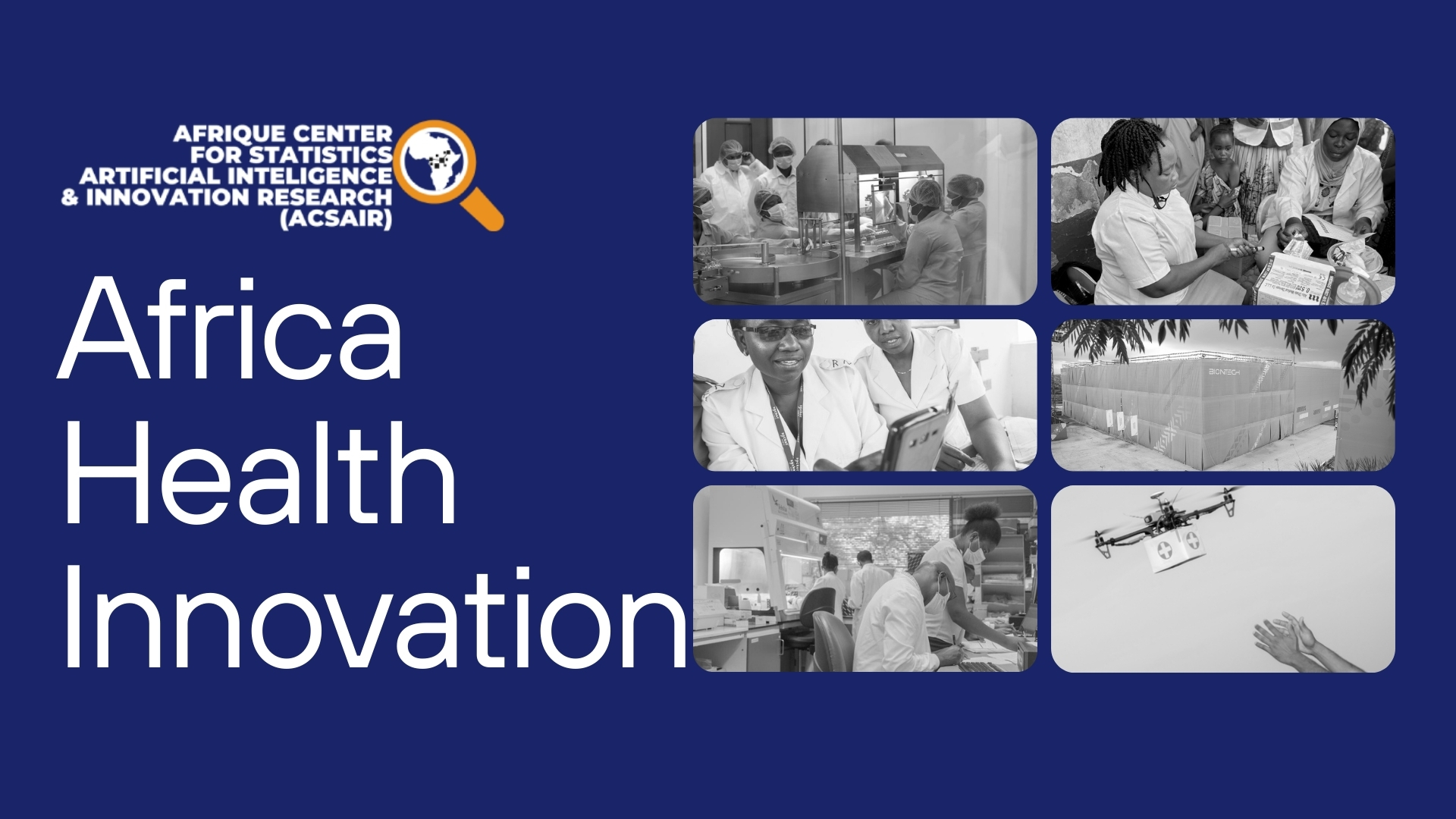
Africa’s most consequential health innovations today are not single products. They are increasingly the building blocks of a broader health operating system.
Across the continent, there is a visible shift from pilot culture to platform thinking, from isolated innovations to systems designed to scale, interoperate and remain functional even when budgets tighten or external shocks occur.
A Shift from Pilots to Systems
The direction of change matters.
Rather than focusing only on launching new tools, more health innovations are being designed to fit into long-term national systems. The emphasis is moving toward durability, coordination and practical integration.
Three Signals Defining the Shift
Several developments stand out as strong indicators of this transition.
1. Health Sovereignty Is Moving from Slogan to Infrastructure
Momentum around vaccine and pharmaceutical manufacturing is becoming more grounded in system-building.
The conversation is no longer only about constructing facilities. It is increasingly tied to blended finance, ecosystem development and the capabilities required to sustain local production over time.
2. Primary Health Care Is Being Digitized with Rules, Not Just Apps
Digital health efforts in primary health care are evolving.
The focus is shifting beyond apps alone and toward standards, governance and interoperability. This is an important move because digital tools are most useful when they strengthen primary health care systems instead of creating new layers of fragmentation.
3. Outbreak Intelligence Is Becoming More African-Led, Networked, and Faster
Genomic platforms and surveillance networks are expanding what is possible across the continent.
These systems are improving the ability to detect outbreaks earlier and support faster, more targeted responses, while also strengthening African leadership in health intelligence and response systems.
The Quiet Disruptor: Last-Mile Reliability
Another major factor is often less visible but highly important: last-mile reliability.
Drones, smarter logistics, and lower prices for critical tools, including vaccines, matter because they help translate innovation into actual reach. In other words, they are what turn health innovation into real access at the frontline.
ACSAIR Takeaway
The likely winners over the next decade will not necessarily be the flashiest tools.
They will be the solutions that integrate into national systems, reduce unit costs over time and make frontline health work easier and more reliable.
A Key Question for Builders and Funders
For those building or funding in this space, the central question is not only what is being launched.
It is whether investments are going into the foundations that make systems work long-term: interoperability, workforce capacity and sustained operating budgets, not just new initiatives.